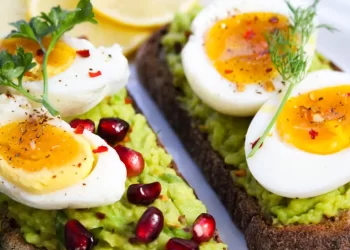
Personally, I have never even considered the topic of fiber until a couple of years back. I was always tired, and my stomach was not the healthiest it could be. Anyway, after some research and a discussion with my doctor, I concluded that one of the things apparently lacking in my diet was fiber. Since then, I’ve sought to get the best high fiber foods, and I can say it is one of the best decisions I have made in my life regarding my health and energy.
I was even able to find some of the conventional high-fiber foods that people in Asia use in their meals. Through this article, I would like to explain to you what I have understood and how high-fiber foods have influenced my regular diet.
The Importance of Fiber in Our Diet

Dietary fiber is a component of food that is rather crucial in our diet, yet most of us do not consume enough of it. Initially, I believed that fiber mainly helped to maintain bowel habits, but there is more than fiber can do. Fiber is a kind of carbohydrate that cannot be processed by the body, but that is beneficial in some manner. It remains almost unchanged in the digestive tract, which contributes to the stabilization of blood sugar, mends our digestive system, and makes us feel satiated for a longer time.
My doctor once told me that I was consuming less than half the required amount of fiber that one should consume daily. It is no wonder that I was not feeling well and lacked energy throughout the day. When I began these small changes and increased the portions of fiber in my meals, everything went well. I was more energetic, and it was worth mentioning that I felt quite stable.
Top 10 high-fiber foods for a Healthier Diet
These are some of the delicious high-fiber foods that I enjoy and include in my meal plans often. They are not only rich in fiber but also tasty and can be used in a lot of ways.
1. Oats
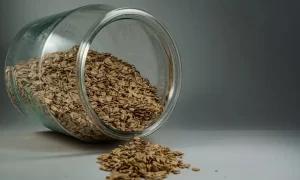
Oats have been my staple breakfast for many years now. Whether I am preparing oats for the night and storing them in a container to be consumed the following morning, or preparing a warm meal in the morning, it is easy to incorporate the fiber I need into my diet with them. Sometimes I add bananas or berries to add more fiber to the mixture. It is a good way to begin a day and be able to fill one’s self with enough energy to keep them going for the day.
2. Lentils
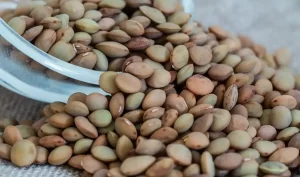
This is one of the ingredients that cannot be missing in my pantry and in Sri Lanka, they have many uses. Some of my favorite dishes include consuming them dhal curry, which is a well-known recipe in Sri Lanka. Not only do lentils provide high-fiber amounts for your body but also, it is a good source of protein that is obtained from plant foods. This is very simple to prepare and best suited to be eaten with rice or roti.
3. Avocado
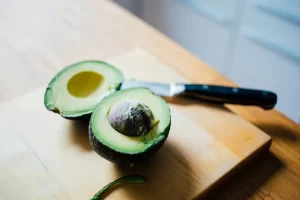
The first thing that surprised me once I started learning about avocados is that they contain a lot of fiber. Most of the time, I would classify them as a good source of fats, but they are also beneficial for digestion. So, avocado can be named as one of the best high-fiber foods. I usually chop them into pieces and include them in salads or spread them on toast and garnish them with chili flakes and lemon juice. It’s a simple but satisfying way to add fiber to your diet.
4. Chickpeas
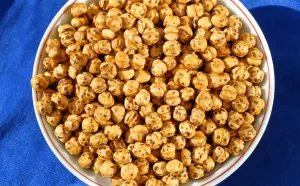
I absolutely love chickpeas. Chickpeas are rich in fiber and protein and can be eaten fresh in a hearty salad or mashed into hummus. Sometimes when I am craving a snack, I arrange it in an oven and use a little olive oil and spices. They are crunchy, tasty, and perfect for snacking while being very healthy since it is a high-fiber food.
5. Finger Millet (Kurakkan)
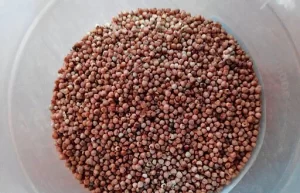
Gaurav Dhwaj Khadka, CC BY 4.0, via Wikimedia Commons
Finger Millet or Kurakkan is a traditional Sri Lankan grain that’s full of fiber. I grew up eating Kurakkan roti, a type of flatbread made with finger millet flour, and it’s one of the healthiest ways to fill up. This grain helps you stay fuller longer, and I love how versatile it is. You can make porridge, and bread, and even use it as a base for savory dishes.
6. Chia Seeds
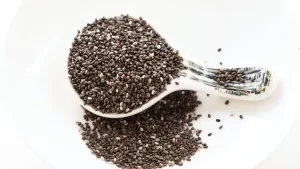
Another example of high-fiber foods that I have added to my meals is chia seeds. They are very convenient – you can simply add them to your smoothie, or yoghurt or you can prepare chia pudding. My preferred mix includes chia seeds and coconut milk topped with fruits. The seeds expand and pop when chewed to provide me with a wonderful sensation and a boost in fiber.
7. Sweet Potatoes
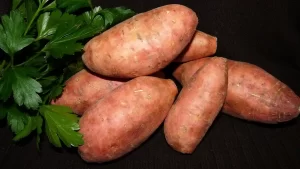
Ever since I could make a distinction between the two depending on their taste, texture and fiber contents, I’ve always opted to take on sweet potatoes rather than normal potatoes. From roasting and serving them as a side dish or mashing them in a healthier version of mashed potatoes, sweet potatoes always have my vote in my kitchen. They are delicious, satisfying, and very healthy.
8. Jackfruit
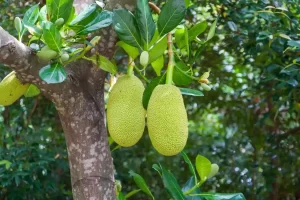
When it comes to Sri Lankan and Indian cuisine, Jackfruit seems to be more of an undercover player that does not make the limelight much. When young they use it in curries and stews, and this one is full of fiber. One of my favorite recipes is the simple but delicious recipe for a jackfruit curry that can serve as a main dish. It’s not an everyday ingredient that is easy to come across, but if you are lucky enough to taste it, you’ll definitely fall in love with it.
9. Banana Flower

The banana flower can also be considered one of the most overlooked high-fiber foods that are frequently used in Indian and some asian food culture. I remember my mother preparing tasty curries with it when I was little, and I learned only recently about how healthy it is. It contains both soluble and insoluble fiber, which assist in lowering cholesterol levels and maintaining a healthy digestive system.
However, as a versatile vegetable banana flower can be made into curry or stir-fried with coconut and spices. This is why it is always helpful to include gluten in my diet because it makes me feel full and satisfied, especially for gut health.
10. Lasia Spinosa

Eric in SF, CC BY-SA 3.0, via Wikimedia Commons
Some of the other asian vegetables that can be highly recommended for their high fiber content include Lasia Spinosa. Lasia Spinosa is widely used in curries and sambals and is known to have medicinal value. My grandmother once said that it is good for digestion and maintaining blood sugar levels. One of the most interesting things to note about the plant is that the stem part is rich in fiber and good for digestion.
The thing I like most about Lasia Spinosa is the flavor and the fact that it has that long-lasting earthy feeling on your tongue, and it sits very lightly in the stomach so it’s good to eat when you want something that’s both healthy and easy to digest.
The Benefits of high fiber foods

Improved Digestion
I soon realized there were improvements in digestion as the first impact of the meals prepared with organic foods. I used to suffer from excessive bloating before I decided to increase my fiber intake daily. Gradually replacing some of the low-fiber foods I used to consume and introducing more high-fiber foods, particularly in the morning, was the key. The feeling in my stomach was much better and I no longer had that bloated feeling like before.
Weight Management
While I was not attempting to lose weight, I realized that fiber assists in regulating hunger. High fiber foods ensure that one does not feel hungry often, thus reducing the instances that one feels the need to take snacks in between the main meals. For instance, consuming high fiber foods during breakfast ensured that I did not feel hungry again until lunchtime. I was able to control the quantities of the foods I ate, and it was not difficult to avoid taking large portions.
Heart Health
Yet another interesting thing that amazed me was the relation of fiber to the health of the heart. Fiber assists in the decreasing of cholesterol which has a positive impact on avoiding the occurrence of heart diseases. Even after adapting myself to these dietary changes, I noticed a slight change in the cholesterol level during my next check-up.
Blood Sugar Control
Prior to changing my diet and consuming more fiber, I used to feel weak and sleepy after having a meal. All this changed once I started including high-fiber foods in my diet regime. Fiber takes a while to digest allowing the sugar to be released into the bloodstream slowly and thus avoid a spike in blood sugar levels.
I was less sluggish during the day and did not experience that 3 o’clock sleepy time as is usual with most people, especially after lunch soon after I incorporated high-fiber foods into my daily diet.
Lesser-Known Facts About Fiber

On my research journey, I realized that not all fiber is equal. They come in two categories that include soluble fibers and insoluble fibers. Soluble fibers dissolves in the gut and aids in matters such as cholesterol and blood sugar control while insoluble fiber helps bulk up stool and improves bowel movement. Both types are useful and need to be ingested in a correct proportion, that is why I do not use only one type of fiber but consume it at different times.
Another thing I wish I had known earlier is the importance of slowly increasing fiber intake. I made the mistake of going all-in at once, which left me feeling bloated and uncomfortable. Starting with small amounts and gradually building up made all the difference.
How to Incorporate More Fiber into Your Diet

As you can note, including fiber in your meal plan does not have to be complicated, and it is easy to follow. In the beginning, I did not adopt strict and drastic measures towards my diet but encouraged minor adjustments. For example, I first replaced white rice with brown rice and then incorporated chia seeds in my smoothies. Some of these changes did not seem like big alterations, but over time, they began to help a lot.
Another simple modification that I did was substituting fiber rich foods in place of ordinary flour while baking or cooking, using kurakkan flour in place of the traditionally used wheat flour. These changes were quite basic but the effect on my digestion and energy was all the better.
More shocking is how these changes snowballed into habits as time went on. After starting, I felt quite encouraged to go on and it was not as hard as I had expected. Healthy eating doesn’t ignore the small incremental changes that you do not have to take a big leap to adopt. Rather, you begin to incorporate some minor high-fiber foods into your meals in a regulated manner.
These small changes come a long way and over time you will begin to experience the changes in one way or the other whether it is digestion, energy levels or satisfaction. It is a healthy method of maintaining a good diet; it does not feel like a chore to have to eat healthy food.
Be Healthy With High-Fiber foods

It seems that adding more high-fiber foods into my daily diet has had such a massive jack-up on how I feel day by day. I have more energy; my digestion system has transformed for the better and I find myself fuller for longer avoiding taking in more food than I need. The most astonishing aspect of these changes is that it does not take a lot of effort to make them and the results are evident faster than I could have imagined. It not only enhances my physical health but also makes me feel more comfortable and balanced.
Perhaps one of the most fulfilling parts of this journey is the fact that making dietary changes to healthier ones does not have to be a big deal. Sticking to high-fiber foods has also made my meals even more appealing, and thus, I will not easily give in to eating junk foods. Whether your goal is weight loss, disease prevention, or simply living a healthier lifestyle, increasing your fiber intake is an excellent goal.